
Leave Your Message

Blog

China Best Digital Skin Analysis Machine Supplier?

China Best Digital Skin Analysis Machine Supplier?

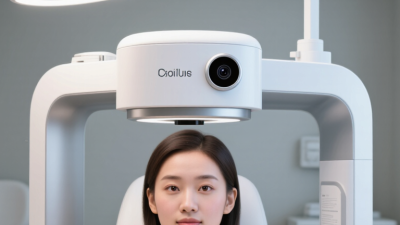
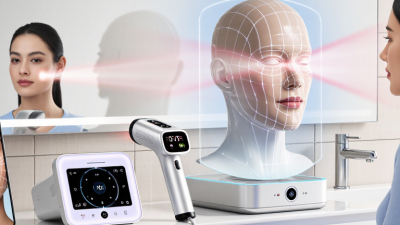
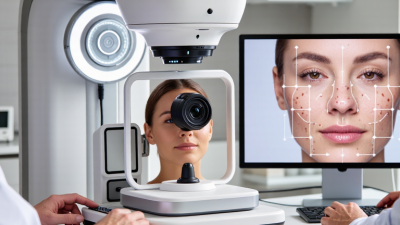
When you're on the hunt for the best digital skin analysis machine supplier in China, it's not just about the screen size or the fancy software features. You gotta look for a system that snaps consistent images under controlled lighting – you know, reliability is key. And it should also be straightforward about what its measurements mean, without pretending to give you a medical diagnosis. Honestly, it's the little things that really make the difference. You've got to get the camera calibration just right, make sure the images are stored properly, and give your staff proper training. Oh, and don't underestimate the time needed to do a complete scan—it's not something you can rush. Dr. Zoe Diana Draelos—she's a dermatologist and skin care researcher—really sticks to evidence when it comes to skin care. Now, this isn't a direct quote from her, just my own take: 'A skin scan can help start a conversation, but it won't replace a professional's judgment.' That's a key point to keep in mind when you're checking out suppliers. You should definitely ask them how their device handles different skin tones, if the results are repeatable when you test under the same conditions, and what kind of tech support you'll get after you install the thing. Don't just take their word for it — or their fancy sample images. Ask for a live demo, and make sure the lighting is realistic, not just the perfect studio shots. You know, a good supplier should be straightforward about the nuts and bolts. Who's actually going to train your team? How are software updates rolled out? And if something breaks, what's the service process? You should see clear documentation, get actual support when you need it, and their promises should match what the device can really do. A pretty dashboard isn't gonna save you when things go sideways. Still, there’s always going to be some uncertainty. No algorithm or device can possibly account for every little thing that affects how skin looks—and that’s worth keeping in mind. Also, when you’re choosing a supplier, the best one isn’t necessarily the loudest about what they promise. It’s the one who’s upfront about what it can’t do, walks you through how it works, and helps you stick with it in real life.
Read more »
Alexander By:Alexander - November 6, 2026
What Is the Best Facial Analysis Machine in 2026?

What Is the Best Facial Analysis Machine in 2026?

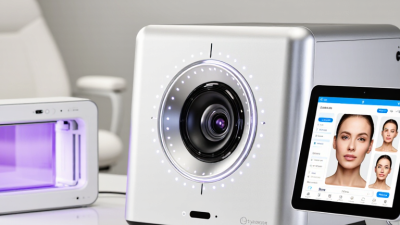
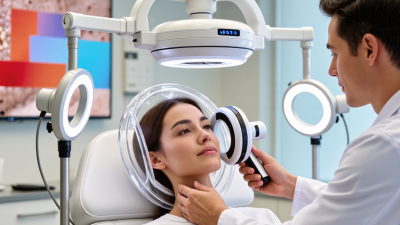
Look, choosing the best facial analysis machine in 2026 isn’t just about comparing screen sizes, camera specs, or a slick demo. What actually matters is whether it can capture consistent images, explain what it’s measuring, and generate reports that trained professionals can interpret with confidence. And don’t get me started on lighting—honestly, it can make or break the whole system. You know how a bright window or a shadow across someone’s cheek can totally change what the camera sees? That’s why reliable systems don’t leave things to chance—they use controlled lighting and make sure everything is positioned the same way every time. That’s a big deal in a real consultation room. Picture it: the client sits up straight, takes off their glasses, and rests their chin on this little support while the machine snaps a few angles. It can pick up stuff you might be worried about—uneven tone, visible pores, fine lines, that kind of thing. But here’s the thing: a score is not a diagnosis. Not even close, honestly. Your skin changes with how hydrated you are, how much sun you got recently, whether you’re wearing makeup, even the camera settings. So take any result with a grain of salt, and definitely talk it over with a qualified skincare pro or a doctor when it makes sense. You'd think a detailed report means it's accurate, right? Not always. In this guide, we're digging into what actually makes a facial analysis machine worth buying—things like consistent imaging, visual comparisons that are actually clear, a workflow that doesn't drive you crazy, solid support, and transparency with your data. But beyond the specs, you really want to ask how the results are being generated. Does it clearly tell you what's measured versus just estimated? Because here's the thing: a report can look super authoritative and still be off. That's an easy trap to fall into. Alright, so we’re going to compare what these models typically do well and where they fall short—and we’ll also point out when there isn’t much solid evidence or independent validation to back things up. Here’s the thing though: the most expensive model isn’t automatically the best one. Honestly, the right choice is whatever fits your situation, supports careful interpretation, and earns your trust by being consistent over time.
Read more »
Evelyn By:Evelyn - November 3, 2026
How to Choose the Best 3D Skin Scanner for Your Business?

How to Choose the Best 3D Skin Scanner for Your Business?

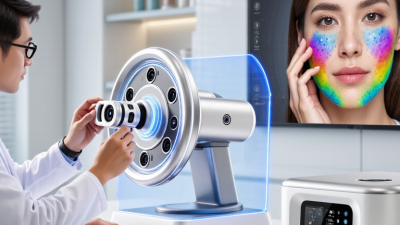
Picking a 3D skin scanner isn't just about comparing specs like resolution or screen size, you know? It's honestly more of a business decision—it shapes how consultations go, how you plan treatments, and how confident your clients feel. You want something that captures consistent images under the same lighting every time, shows the skin details that actually matter, and doesn't feel like a hassle for your team to use day in and day out. Here’s a principle worth keeping in mind: a scan is only as valuable as your team’s ability to explain what it found and act on that responsibly. And if you’re thinking of crediting that quote to a named industry expert, make sure you actually verify the exact wording and their credentials first. That might sound overly cautious, but it really matters. A quote that turns out to be wrong—or attributed to the wrong person—can erode trust fast, even if the product itself is genuinely good. You really want to look closely at the details here. Can it actually show pores, pigmentation, texture, and sun spots clearly? And if you're checking the same area over time, are the images comparable between visits? Don't just trust those polished sample images—ask for a live demo in normal room lighting. Also, don't forget to ask about training, software updates, customer support, data export options, and any ongoing costs. That stuff adds up. So, a UV skin scanner can totally reveal stuff that ordinary visible-light imaging just can't catch—but honestly, those extra imaging modes are only useful if the staff actually understand their limits. Like, the tech is great, but you gotta know what it can and can't do, right? Honestly, there’s no single “best” scanner—it really depends on what services you offer, what your budget looks like, and how many clients you’re dealing with. A busy clinic is probably going to care a lot about fast capture and keeping reports simple. A smaller studio, on the other hand, might just want lower costs and someone who’s actually there when you need help. No scanner can fix everything, right? So think of this guide as a way to sort through the features that matter, question what vendors are telling you, and pick something your team will actually feel confident using.
Read more »
Alexander By:Alexander - October 29, 2026
10 Best Digital Skin Analyzers for Global Buyers?

10 Best Digital Skin Analyzers for Global Buyers?

The global beauty industry is getting more measurable—but just because we can measure things doesn't mean we're making smarter calls. Grand View Research put the global skincare market at around $146 billion in 2021, and it's expected to keep growing through 2030. Meanwhile, McKinsey thinks the wider beauty market could hit close to $590 billion by 2028. So, yeah—those numbers kind of explain why clinics, salons, retailers, and distributors are taking the Digital Skin Analyzer category a lot more seriously these days. Still, the device isn't some magic mirror. It picks up visible stuff—moisture, pores, pigmentation, texture, sebum—using cameras, sensors, or polarized lighting. And the results? They can shift depending on room temperature, how well you've been cleansing, the lighting, and even software calibration. That's the kind of detail global buyers really need to keep in mind. At the end of the day, a polished screen can't replace clinical judgment. If your team is sourcing Digital Skin Analyzers internationally, this guide takes a look at 10 of the leading options out there. We compare them on things like imaging quality, parameter coverage, how easy the software is to use, data security, language support, warranty service, training, and—of course—the total cost of ownership. And according to reports from MarketsandMarkets and Grand View Research, demand is clearly strong for connected diagnostics and personalized beauty tech, even if the category lines are still a bit blurry. See, it depends on which market estimate you're looking at—some include professional imaging systems, and others count consumer devices instead. Honestly, that gap is worth paying attention to. A low-cost scanner might look efficient at first, but if the calibration is weak, you can end up with confusing recommendations. On the flip side, a premium system may give you clearer reports—but those subscription fees can eat into the long-term value. Before signing anything, buyers should ask for sample reports, maintenance terms, regulatory docs, and actual demo results. In the end, the right choice comes down to your workflow, not the ads. And sometimes? The “most advanced” model is just the least practical one.
Read more »
Alexander By:Alexander - October 24, 2026
7 Tips for Choosing the Best 3D Skin Scanner?

7 Tips for Choosing the Best 3D Skin Scanner?

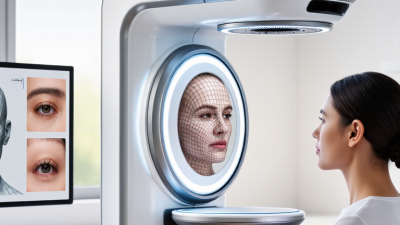
Choosing the right 3D Skin Scanner is not simply a matter of buying the device with the sharpest images. A clinic needs reliable measurements, stable software, practical training, and clear patient communication. The scanner should capture facial contours, pores, wrinkles, pigmentation, and volume changes under repeatable conditions. Even a small lighting difference can affect the result. “Healthy skin is a reflection of overall wellness,” says Dr. Howard Murad, a dermatologist and respected skincare expert. His view is useful here. A scanner should support professional assessment, not replace clinical judgment. This distinction matters when comparing systems from companies such as Canfield Scientific or other established technology providers. The best equipment should produce useful evidence, not impressive pictures alone. A careful buyer should examine seven areas: image accuracy, UV imaging, software analysis, calibration, workflow, data security, and after-sales support. A 3D Skin Scanner should also make follow-up comparisons easy. Can the clinician reproduce the same head position and lighting three months later? Does the report explain changes clearly? These questions are more valuable than a long feature list. Look closely at the Uv Skin Scanner function. It may reveal surface patterns that ordinary photography misses, but it cannot diagnose every condition. That limitation deserves honesty. Some systems appear advanced but create confusing reports. Others work well yet require better staff training. The choice is rarely perfect. This guide explores seven practical tips for selecting a scanner that fits real clinical work, patient expectations, and responsible skin analysis. The technology matters. So does the person operating it.
Read more »
Alexander By:Alexander - October 20, 2026
7 Smart Skin Analyzer Buying Tips for Global Buyers

7 Smart Skin Analyzer Buying Tips for Global Buyers

Buying a Smart Skin Analyzer isn’t just about choosing between a sharper camera and a cheaper price. If you’re buying globally, you need dependable measurements, software that’s actually clear, and support that sticks around after installation. Dr. Zoe Diana Draelos—board-certified dermatologist and cosmetic science educator—puts it simply: “Skin analysis should support clinical judgment, not replace it.” That’s worth remembering in salons, clinics, pharmacies, and beauty retail. A good device should capture visible details like pores, redness, pigmentation, and moisture indicators. But it should also show you how it got those results. Then look hard at image consistency. Does the system control lighting, camera distance, and where the customer sits or stands? One bright window can throw the whole result off. That’s an easy detail to miss. Ask for demo reports across different skin tones and age groups. One convincing sample image? Not enough. Check the manufacturer’s calibration process, warranty, training, and local tech support. Companies like Canfield Scientific show why reputation and documentation matter. Still, every Smart Skin Analyzer has limits. Algorithms can misread reflective skin, heavy makeup, or weird lighting. Human review is still necessary. Privacy deserves just as much care. Confirm where facial images are stored, how consent is recorded, and whether data can be deleted. Buyers should also check regional rules, including GDPR where it applies. Don’t just assume cloud storage is secure. The right purchase balances accuracy, usability, patient experience, and long-term operating costs. A cheaper device can create expensive confusion. A premium model can still disappoint if staff aren’t trained. These seven buying tips help global buyers compare evidence, not marketing promises. Mistakes happen—but careless assumptions shouldn’t.
Read more »
Charlotte By:Charlotte - October 15, 2026
China Best Skin Analysis Equipment Manufacturers

China Best Skin Analysis Equipment Manufacturers

Picking the right manufacturer for skin analysis equipment in China isn't just about price tags or perfect product photos. Clinics, salons, and distributors need imaging they can trust, reports that are easy to read, and support that actually shows up after installation. A good manufacturer should be able to walk you through camera resolution, lighting control, software features, calibration, and data protection—in plain language, not jargon. And any technical claims? They should be backed by demos, training, and documents you can verify. The strongest suppliers usually cover hydration, pigmentation, pores, texture, and sensitivity. Some also offer 3D Skin Analysis, which gives detailed facial images and helps professionals track visible changes over time. But here's the thing: advanced imaging doesn't automatically equal better clinical value. Accuracy comes down to controlled lighting, consistent positioning, trained operators, and sensible interpretation. Small details matter—sometimes even room temperature can affect certain measurements. This guide looks at manufacturer experience, research strength, production quality, software usability, and after-sales service. It also asks whether a company can handle different business settings, from a solo beauty studio to a professional dermatology practice. A trustworthy supplier should be happy to let you test products and answer tough questions without overselling. That's what builds real confidence. There's no perfect ranking that lasts forever. Market info changes, and flashy specs may not reflect daily performance. Before deciding, buyers should ask for sample reports, check installation procedures, and compare warranty terms. Real-world experience can expose weaknesses brochures never mention. The best China-based manufacturer isn't always the cheapest or the most famous. It's the one that offers measurable value, straight communication, and steady support for professional skin analysis equipment.
Read more »
Charlotte By:Charlotte - October 11, 2026
What Is a Facial Scanner Machine and How Does It Work?

What Is a Facial Scanner Machine and How Does It Work?

Okay, so what exactly is a Facial Scanner Machine? Basically, it’s a device that captures the structure and visible features of someone’s face. Depending on the setup, it might use RGB cameras, infrared sensors, or structured light. These parts work together, usually inside a small desktop unit or a handheld gadget. The whole thing starts with image capture. Then software picks out facial landmarks—eyes, nose, jawline, cheek contours, that kind of thing. A depth sensor can step in and build a 3D map of the face. After that, algorithms compare those measurements against a chosen reference or look at skin-related details. Some systems are built for identity verification. Others help with skincare consultations, access management, medical imaging, or product development. Professor Anil K. Jain, a big name in biometrics research, puts it like this: “Biometrics is the science of establishing the identity of an individual based on physical, chemical, or behavioral attributes.” That pretty much sums up the technical foundation behind facial scanning. The machine doesn’t just “see” a face. It turns visual information into measurable data. Accuracy depends on things like lighting, camera quality, facial movement, and how well the software was trained. Glasses, masks, makeup, and shifting expressions can all affect results. Small differences matter. A good scanner should be upfront about its limits, protect the data it collects, and follow applicable privacy rules. It shouldn’t promise certainty when the evidence is incomplete. This tech is impressive, but let’s be honest—it’s not flawless. Real-world testing still matters. A careful guide to the Facial Scanner Machine should look at its sensors, workflow, practical uses, security controls, and measurement limits before jumping into the benefits.
Read more »
Evelyn By:Evelyn - October 8, 2026
Why Choose a Facial Skin Analyzer for Your Business?

Why Choose a Facial Skin Analyzer for Your Business?

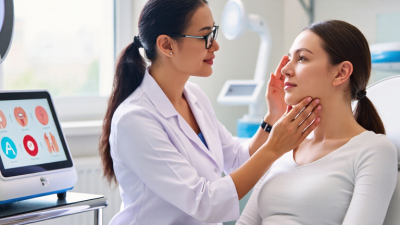
So, why should your business consider using a Facial Skin Analyzer? Well, it can totally change a regular skincare consultation into a more engaging and clearer experience for your clients. Instead of just eyeballing the skin, professionals can actually check things like hydration levels, oiliness, pore visibility, texture, and pigmentation patterns. And the best part? The client gets to see their skin on the screen, which often makes discussions way more specific and easy to follow. In day-to-day practice, having measurable data really helps when recommending products or planning treatments. Staff can compare images over time, note any changes, and better explain why adjustments might be needed. But don’t forget—consistency is key: good lighting, clean equipment, and trained operators matter a lot. And remember, skin isn’t static. It varies with weather, stress, age, medications, and recent product use. So, results are more like clues than definitive diagnoses. When choosing a good analyzer, look for ones that give consistent images, produce clear reports, have user-friendly software, and keep customer info secure. It's also smart to check their calibration procedures, staff training support, tech support availability, and warranty details before making any decisions. These small details might seem boring, but they actually build trust with your clients and can impact your business costs in the long run. Plus, independent tests and transparent specs are much more reliable than just dazzled-by-demo hype. Now, let’s keep it real—the tech is great, but it’s not magic. An analyzer can’t replace professional judgment or honest communication. Plus, it might give inconsistent results if, say, the client has makeup on, moves around during the scan, or if the lighting isn’t spot on. That’s a limit worth keeping in mind. When used responsibly, though, these devices are super helpful for clinics, salons, spas, and retail spots. They make consultations more educational, and they encourage customers to see progress over time rather than expecting instant results. Bottom line? The real value comes from blending reliable measurements, knowledgeable staff, and ethical advice—that’s what really makes a difference.
Read more »
Alexander By:Alexander - October 4, 2026
Top Skin Brightening Analysis Questions Buyers Ask?

Top Skin Brightening Analysis Questions Buyers Ask?

When it comes to skin brightening products, customers are asking a lot more than just, “Does it actually work?” They're looking for real, visible results, safer ingredients, and straightforward, understandable evidence to back up claims. According to Grand View Research, the global market for skin lighteners was estimated to be around USD 8 billion in 2023, and it’s expected to keep growing over the next decade. But here’s the thing — these estimates can vary quite a bit depending on how products are defined, where you’re looking, and what research methods are used. That’s definitely something to keep in mind. This is exactly where Skin Brightening Analysis comes in handy. Shoppers often scrutinize things like niacinamide percentages, how stable vitamin C is, where alpha-arbutin comes from, and whether there’s a risk of irritation. They also want to know if the results are based on proper testing or just polished before-and-after photos. A trustworthy analysis should include details like how the study was set up, the number of participants, how long the treatment lasted, and the different skin types involved. Little things matter — like a sealed amber bottle on a warm bathroom shelf might keep sensitive formulas better than a clear glass bottle sitting in direct sunlight. As Euromonitor International often points out, people care a lot about how well a product works, transparency about ingredients, and whether those ingredients are credible. Meanwhile, the World Health Organization warns about the dangers of skin-lightening creams that contain mercury, which can seriously harm your kidneys and nervous system. So, a responsible evaluation has to distinguish between legal, tested, and safe brightening products, and shady claims or banned ingredients. Remember, there’s no one-size-fits-all formula. Things like your skin tone, sensitivity, climate, and existing skin conditions all play a role in how well a product works for you. And if you start experiencing persistent redness or burning, talking to a dermatologist is definitely a good idea. This guide is here to answer the most common questions buyers have. But let’s be real — even the best evidence can’t promise the same results for everyone. That’s why it’s so important to compare products carefully and not fall for exaggerated marketing hype.
Read more »
Evelyn By:Evelyn - October 1, 2026
What Are the Top AI Skin Analyzer Types in 2026?

What Are the Top AI Skin Analyzer Types in 2026?

So, what's the deal with the top AI skin analyzers in 2026? Well, these AI tools can really turn a close-up photo into a detailed overview of your skin concerns. Depending on the device you're using, they might check out your pores, uneven skin tone, fine lines, redness, or surface texture. The weird thing is, this technology isn’t just stuck in clinics anymore — now you’ve got smartphone apps, handheld scanners, and even high-end imaging systems that offer different levels of detail. But, hey, just because you get a score doesn’t mean it’s a medical diagnosis. They’re useful, but not perfect. The reason people are so into this? The beauty market is booming. According to McKinsey’s 2023 State of Beauty report, the global beauty industry could hit around $580 billion by 2027. That kind of growth means more personalized advice, skin consultations, and digital tools — everyone wants their own little skincare assistant. Of course, that doesn’t mean every analyzer out there is totally accurate. On a bigger scale, Grand View Research estimated the global AI healthcare market hit $19.27 billion in 2023 — and that covers a lot more than just skin analysis. In this guide, we’ll break down the main types of AI skin analyzers you’re likely to come across in 2026: from simple camera-based apps to multispectral imaging systems, 3D facial scanners, and portable or clinic-grade devices. We’ll look at what each one can measure, where they work best, and what they might miss. Keep in mind, something like lighting in your bathroom, makeup, camera quality, and your skin tone can totally affect the results from your phone. Small details can make a difference. Even the most advanced tools need a good photo and honest validation. Some claims out there are a bit overhyped, so we’ll help you sort out what’s genuinely useful from the marketing fluff. Just a heads up — these analyzers are great for guidance, but they shouldn’t replace advice from real skincare pros.
Read more »
Charlotte By:Charlotte - September 28, 2026
What Is a Smart Skin Analyzer and How Does It Work?

What Is a Smart Skin Analyzer and How Does It Work?

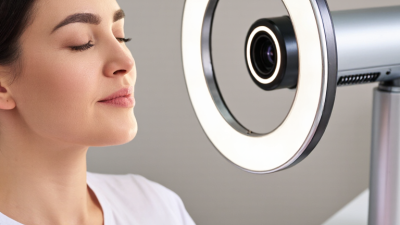
A Smart Skin Analyzer is basically a handy digital gadget that helps you get a better look at your skin’s condition—things like dryness, oiliness, pores, or uneven skin tone. Depending on the model, it might use a camera, special lighting, sensors, or some fancy image analysis software. Some devices even ask you a few questions about your habits, skincare products, or concerns before showing you the results. Keep in mind, though, that different devices can measure different things, so not every analyzer is doing the same job. Picture this: you’re sitting in front of a bright, ring-lit camera, and it’s taking a close-up shot of your cheek. Then, the software examines the photo for color variations, texture, or spots that look dry. The results can be super helpful as a starting point for a chat about your skincare routine. But hey, remember—they’re not medical diagnoses. Things like lighting conditions, makeup, camera quality, or recent products you’ve used can all impact what the device picks up. So, tiny differences really can matter. Getting a clear idea of how a Smart Skin Analyzer works helps you make sense of its results without overreacting. This guide breaks down the main tech behind these gadgets, what the typical assessment process looks like, and what those scores can—and can’t—tell you. The device can be useful for tracking changes over time, especially if you use it in consistent conditions. But don’t forget: a polished report might seem super confident, but the data behind it isn’t always so certain. It’s worth taking a second look. And if you’re dealing with ongoing irritation, pain, or sudden changes in your skin, it’s always best to chat with a healthcare professional—don’t rely solely on an app or device.
Read more »
Evelyn By:Evelyn - September 24, 2026
How to Choose Skin Analysis Equipment in 2026?

How to Choose Skin Analysis Equipment in 2026?

Picking out skin analysis equipment in 2026 isn't just about those super crisp images or sleek displays. Sure, a device might show pores, pigmentation, redness, and skin texture in pretty amazing detail. But if the results aren’t consistent from one session to another, what’s the point? It’s really worth checking how the system handles lighting, how it positions the client, how it stores those images, and whether it clearly explains what its measurements mean. And don’t be shy about asking to see repeated scans taken under the same conditions—small things like a slightly shifted chin, a bright window nearby, or a tiny change in the camera angle can totally change what you see on the screen. A quick heads-up: I didn’t include quotes from specific industry experts, because I want to stick to unbiased info. It’s a good habit—trustworthy equipment advice shouldn’t just be about flashy claims. Any technical promises made should be backed up by the device’s documentation and real-world use. Just a list of features doesn’t automatically mean the device is accurate or reliable. This guide will look at different imaging methods, measurement features, how easy the systems are to use, what kind of training is needed, and the support providers offer down the line. We’ll also consider the people actually using these tools—can the staff confidently explain what the results mean without overstating it? Can clients understand the images without feeling pressured or confused? Basically, a solid system should help create honest, helpful conversations—not replace a skilled professional’s judgment. And remember, bigger or more expensive isn’t always better. The best choice will give you consistent, clear results that fit your clinic’s budget and daily routine.
Read more »
Alexander By:Alexander - September 24, 2026
10 Best Skin Analysis Equipment for Global Buyers

10 Best Skin Analysis Equipment for Global Buyers

When it comes to assessing healthy skin, it’s really more about asking the right questions than just investing in the priciest equipment. Sure, skin analysis tools can help clinics and beauty pros take a closer look at things like pores, pigmentation, skin texture, and moisture levels. But here’s the thing—having a clear image only means something if you actually understand its limitations. Factors like lighting, how far the camera is from the skin, prepping the skin beforehand, and even your software settings all play a role in how accurate those results are. You might have heard Dr. Howard Murad say, “Healthy skin is a reflection of overall wellness.” It’s a good reminder, no doubt, but it’s not a magic rule you can rely on for diagnoses. No device replaces good old professional judgment or a thorough consultation. And scanning once isn’t enough to make a treatment plan—small stuff like making sure the lens is clean, lighting is consistent, and the explanation makes sense to the client can make all the difference. This guide looks at ten different options suitable for buyers around the world. Whether you’re after a small, single-treatment system or a more advanced setup for a busy clinic, there’s something here. It covers imaging features, how easy they are to use, reporting capabilities, support, and practical questions about purchasing. Just keep in mind, specifications can vary quite a bit depending on the model and where you’re buying from. So, always double-check directly with the manufacturer. Also, don’t be fooled by a sleek interface or a long list of features—they don’t automatically mean the device is accurate. Sometimes, it’s the little things that slip by. One system might produce stunning images but require more training for staff or come with ongoing software fees. Another might be straightforward to use but lack some measurement tools you might want. Honestly, there’s no one-size-fits-all answer here. The best skin analysis equipment for you really depends on who’s using it, how your workflow looks, your budget, and how much evidence-based detail you need. Before pulling the trigger, make sure to ask for a live demo and see how it performs under normal room conditions—that way, you’re making a more informed choice.
Read more »
Evelyn By:Evelyn - September 24, 2026